
Choosing the Right Professional Water Heaters with a Complete Buyer’s Guide
Selecting the ideal water heater is more than just a routine household decision—it’s an investment in comfort, energy efficiency, and long-term savings. Water heaters play a critical role in daily life, from hot showers to washing dishes, and the right system can significantly reduce energy consumption while providing consistent, reliable performance. With advancements in technology and a wide range of options available, homeowners and businesses face a complex decision-making process. Understanding the various types of water heaters, their capacities, energy ratings, and installation requirements is essential for making an informed choice.
In today’s competitive market, choosing a professional-grade water heater involves balancing upfront costs with long-term benefits. Beyond just heating water, modern systems incorporate safety features, eco-friendly designs, and smart technology that allows for precise temperature control and monitoring. Poor selection can lead to frequent repairs, higher energy bills, and even safety hazards. This comprehensive guide aims to equip buyers with expert insights, actionable advice, and practical considerations to confidently select the right water heater. Whether upgrading an existing system or installing one for the first time, understanding these factors ensures optimal performance, durability, and value for years to come.
Understanding Different Types of Water Heaters
Storage Tank Water Heaters
Storage tank water heaters are the most common type found in homes and commercial settings. These units store a set amount of hot water, usually ranging from 20 to 80 gallons, and maintain it at a preset temperature. The main advantage is their ability to deliver a continuous supply of hot water for multiple uses simultaneously.
Benefits:
- Consistent hot water supply for families or businesses.
- Simple installation and lower upfront costs compared to some modern alternatives.
- Reliable performance with well-established technology.
Challenges:
- Larger footprint requires adequate space for installation.
- Energy loss can occur due to standby heating, reducing efficiency.
- Limited supply may not meet peak demand if the tank is too small.
Tankless Water Heaters
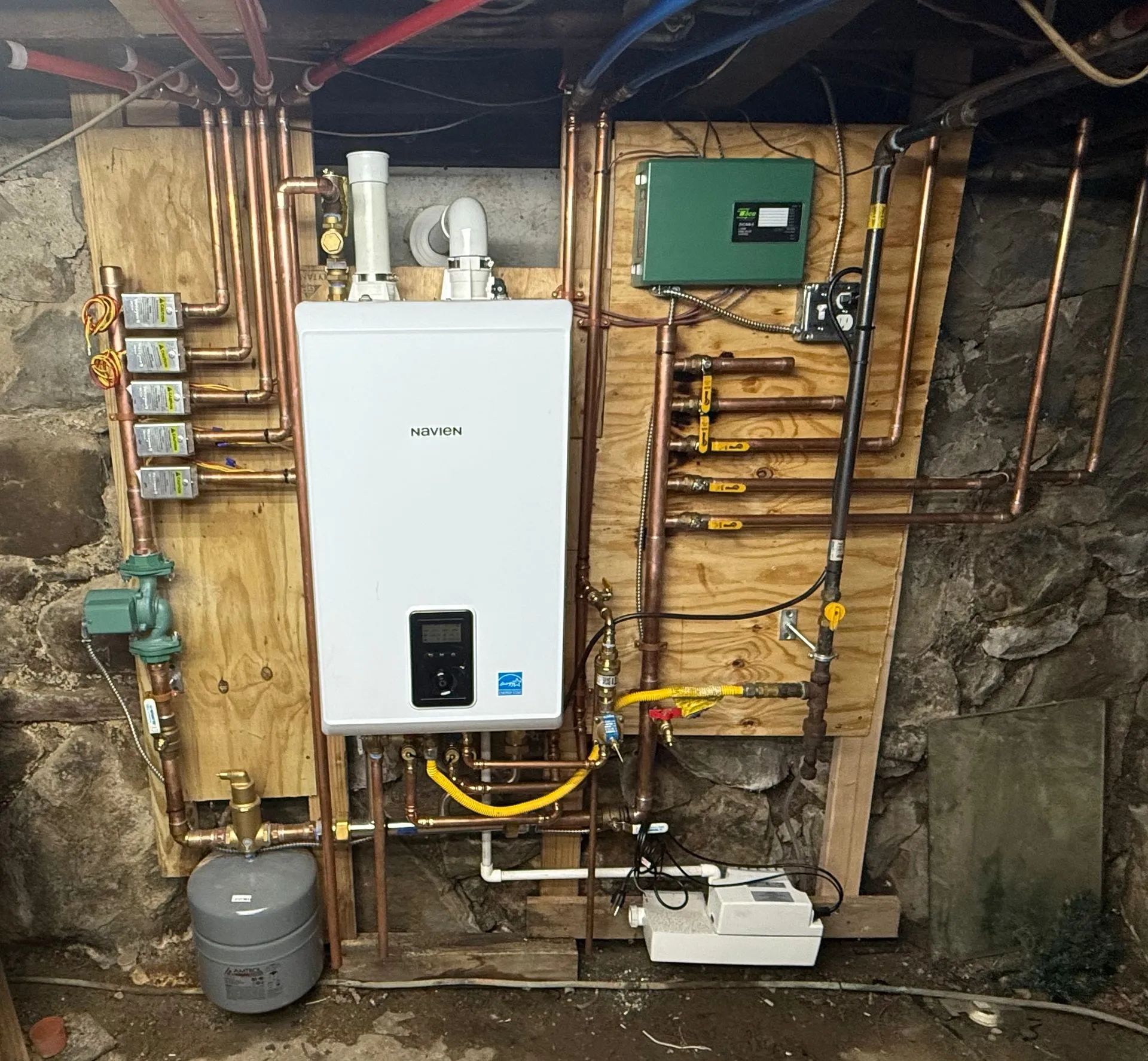
Tankless, or on-demand, water heaters heat water only when needed, eliminating standby energy losses. These systems are compact, energy-efficient, and ideal for modern households seeking sustainability.
Benefits:
- Significant energy savings by heating water only when used.
- Longer lifespan compared to storage tank units.
- Compact design frees up space in smaller homes or apartments.
Challenges:
- Higher initial cost and installation complexity.
- Output may be limited during simultaneous high-demand usage.
- Professional installation is recommended to ensure proper gas or electric connections.
Heat Pump Water Heaters
Heat pump water heaters (HPWHs) use electricity to transfer heat from the surrounding air to water. They are highly energy-efficient and environmentally friendly, making them ideal for eco-conscious buyers.
Benefits:
- Lower operating costs due to higher energy efficiency.
- Reduced carbon footprint with environmentally friendly technology.
- Can function effectively in moderate to warm climates.
Challenges:
- Higher upfront costs compared to traditional storage units.
- Requires sufficient space and ambient air for heat transfer.
- May need a backup system in colder climates for optimal performance.
Key Factors to Consider When Choosing a Water Heater
Capacity Requirements
Determining the right size is crucial to meet daily hot water needs without overburdening the system. Storage tank water heaters require a capacity that matches household size, number of bathrooms, and peak water usage. For tankless models, flow rate (measured in gallons per minute) is more critical than storage volume.
Real-World Scenario: A family of four may require a 50-gallon tank storage heater or a tankless system with a flow rate of 7–9 GPM to ensure multiple showers and laundry cycles can run simultaneously without running out of hot water.
Energy Efficiency and Ratings
Energy efficiency directly affects utility costs and environmental impact. Look for Energy Star-certified models, high Energy Factor (EF) ratings, and systems with insulation that minimizes heat loss. Tankless and heat pump water heaters typically offer higher efficiency than traditional storage units.
Best Practice: Calculate the payback period for energy-efficient models by comparing upfront costs with anticipated annual savings on energy bills. Over time, investing in an energy-efficient system can result in significant long-term savings.
Fuel Source Options
Water heaters can run on electricity, natural gas, propane, or solar power. The choice of fuel source affects operational costs, installation requirements, and environmental impact.
Considerations:
- Electric models: Easier to install but may have higher operating costs depending on local electricity rates.
- Gas models: Provide rapid heating and lower operating costs but require proper ventilation.
- Solar water heaters: Highly sustainable but dependent on weather conditions and may require a backup system.
Installation Requirements
Professional installation ensures safety, compliance with local codes, and optimal system performance. Improper installation can lead to leaks, inefficient heating, or even hazards such as gas leaks or electrical failures. Consider the following factors:
- Space availability for tank or tankless units.
- Plumbing and electrical connections.
- Ventilation requirements for gas-powered systems.
Expert Insight: Engaging a licensed plumber or HVAC professional reduces the risk of installation errors and helps maximize the lifespan of your water heater.
Features and Technology Enhancements
Smart Controls and Monitoring
Modern water heaters offer smart technology that enables remote temperature adjustment, usage tracking, and maintenance alerts via smartphone apps. This feature is particularly useful for energy management and ensuring consistent hot water availability.
Benefit Example: A homeowner can preheat water remotely during peak usage hours, reducing energy consumption while ensuring hot water is available exactly when needed.
Safety Features
Safety is a critical consideration, especially for homes with children or elderly residents. Features like temperature regulators, pressure relief valves, and automatic shut-off systems prevent scalding, leaks, and potential system damage.
Best Practice: Regularly inspect safety features and consult a professional if any component shows wear or malfunction.
Durability and Warranty
Professional-grade water heaters are designed for longevity, often backed by manufacturer warranties ranging from 6 to 12 years. Materials such as stainless steel, glass-lined tanks, and corrosion-resistant components extend lifespan and reduce maintenance requirements.
Real-World Example: Stainless steel tank water heaters often resist rust and scaling better than conventional tanks, making them suitable for regions with hard water.
Maintenance and Longevity Tips
Routine Inspections
Regular inspections of pressure relief valves, anode rods, and piping prevent small issues from becoming costly repairs. Inspecting annually or biannually ensures the system remains efficient and safe.
Expert Tip: Flushing the tank at least once a year removes sediment buildup, maintaining water quality and heat transfer efficiency.
Addressing Hard Water Challenges
Hard water can cause mineral buildup, reducing efficiency and damaging heating elements. Installing a water softener or using chemical descaling agents can protect the system.
Scenario: In areas with high mineral content, neglecting maintenance may lead to early failure of heating elements and reduced tank capacity.
Professional Servicing
Engaging a certified technician for periodic servicing ensures optimal performance, detects potential issues early, and maintains warranty validity. Professional servicing may include system checks, valve testing, and component replacement.
Best Practice: Schedule service at least once a year, or more frequently for high-demand commercial systems.
Environmental Impact and Sustainability
Energy-Efficient Solutions
Eco-conscious buyers should prioritize systems with higher Energy Factors, tankless designs, or renewable energy integration. Reducing energy consumption not only lowers utility bills but also minimizes environmental footprint.
Water Conservation Features
Some water heaters include low-flow-compatible designs or recirculation systems that reduce water waste while maintaining hot water availability. This is particularly beneficial in areas experiencing water scarcity or for environmentally responsible households.
Scenario: A commercial property with multiple bathrooms can install recirculating water heaters to ensure instant hot water while conserving both energy and water.
Choosing Eco-Friendly Materials
Selecting units with recyclable components and corrosion-resistant materials contributes to sustainable living while enhancing system durability.
Best Practice: Combine energy efficiency, water conservation, and environmentally responsible materials to achieve a holistic approach to sustainable water heating.
Troubleshooting and Common Issues
Inconsistent Water Temperature
Fluctuating water temperatures may indicate sediment buildup, inadequate tank size, or thermostat malfunction. Addressing these issues promptly ensures consistent performance and prevents further damage.
Leaks and Corrosion
Leaks often stem from worn-out anode rods, pressure valves, or tank corrosion. Regular inspections and timely repairs prevent costly water damage and prolong system life.
Unusual Noises
Popping or banging sounds are typically caused by mineral buildup or trapped air within the tank. Flushing the system or professional servicing can resolve these issues.
Expert Tip: Never ignore unusual noises or minor leaks, as these are early indicators of potential failure.
Why Choosing a Professional Water Heater Matters
When it comes to installation, performance, and ongoing reliability, partnering with an experienced service provider is crucial. TMO Plumbing, Heating, and Electric, based in Cornwall, New York, has 12 years of experience delivering professional water heater solutions to homeowners and businesses alike. Their team of certified technicians specializes in installing, maintaining, and servicing all types of water heaters, ensuring that each system operates efficiently and safely.
At TMO Plumbing, Heating, and Electric, the focus is on personalized service and long-term customer satisfaction. From helping clients select the right system based on daily water usage and energy goals to performing precise installations that comply with all safety codes, the company emphasizes quality and professionalism at every step. Clients benefit from expert guidance, proactive maintenance advice, and a team committed to resolving issues promptly and effectively.
Investing in a professional water heater is not merely about comfort—it’s a strategic decision that affects energy efficiency, utility costs, and household or business operations. With us, buyers gain peace of mind knowing they are working with a trusted partner who prioritizes performance, durability, and value. This combination of expertise, dedication, and experience makes us a reliable choice for anyone seeking a long-lasting and efficient water heating solution.